
Views: 0 Author: Site Editor Publish Time: 2026-01-19 Origin: Site


When using any lifting equipment, safety should always be a top priority. This is particularly true when operating a portable aluminum lift, which is often used to perform elevated tasks in various environments. JYStacker, a leading supplier of manual material lifts and hand winches, manufactures high-quality portable aluminum lifts that are designed to enhance both productivity and safety. These lifts are not only lightweight and easy to transport but also come with built-in features that prioritize safety. In this article, we will discuss the essential safety tips and considerations that users should keep in mind when operating a portable aluminum lift. By following these guidelines, you can ensure the safe and efficient operation of this versatile piece of equipment.
Before using any lifting equipment, including a portable aluminum lift, it is crucial to understand the weight capacity and load limits specified by the manufacturer. Failing to adhere to these limits can result in catastrophic failure, equipment damage, and injuries. Understanding the load capacity is one of the first steps to ensuring the safe use of a portable aluminum lift.
Each portable aluminum lift comes with a specified weight capacity. This rating should never be exceeded, regardless of the circumstances. Overloading the lift not only compromises the structural integrity of the equipment but also increases the risk of tipping over, causing damage to property or injury to operators. Always refer to the manufacturer's manual or label to identify the weight limit for your specific lift model. If you're unsure about the weight of the load you need to lift, it’s essential to use a scale or estimate the weight accurately before proceeding.
Properly assessing your lifting load is essential for safe operation. The first step is to calculate the total weight of the items you plan to lift, including any additional equipment or materials that may be placed on the lift. When determining the load, remember to consider the weight distribution. Unevenly distributed weight can destabilize the lift, even if the total weight is within the lift's rated capacity. Additionally, consider factors like wind resistance or uneven surfaces, which may increase the stress on the lift.
Conducting a pre-use inspection is one of the most critical steps in ensuring the safety and proper function of a portable aluminum lift. Regular maintenance checks help extend the lifespan of the equipment and prevent costly repairs. It’s essential to make this inspection a part of your daily routine, especially if the lift is frequently used.
Every time you prepare to use a portable aluminum lift, a daily pre-operation inspection should be carried out to ensure that everything is in working order. Begin by visually inspecting the structure of the lift for any signs of damage, such as cracks or bends in the aluminum. Check all bolts, fasteners, and hinges to ensure they are secure. Also, examine the hydraulic or mechanical lifting system for leaks, and ensure that the safety mechanisms (such as locks or guard rails) are functioning properly. Finally, check the wheels and tires for wear and make sure the lift can be moved without resistance or wobbling.
In addition to daily checks, it’s crucial to carry out scheduled maintenance on the portable aluminum lift to keep it operating smoothly over the long term. This maintenance includes lubricating moving parts, checking cables, and ensuring that the lifting mechanism is free from debris. Perform a thorough inspection of the platform, ensuring it is level and free from cracks or damage. Regular maintenance prevents unexpected breakdowns and enhances the longevity of the lift. Always follow the manufacturer's recommended maintenance schedule, and consult a professional if you’re unsure about performing specific maintenance tasks.
Once your portable aluminum lift has been inspected and is in optimal condition, it’s time to operate it. Safe operating practices are essential for preventing accidents and injuries. The following guidelines ensure that the equipment is used correctly and efficiently.
Before beginning any task with a portable aluminum lift, ensure that the unit is positioned on a level, stable surface. This is crucial for maintaining stability during operation. Many portable aluminum lifts come equipped with locking wheels to prevent movement while the lift is in use. Make sure the wheels are locked before you start lifting. If the lift is being used on uneven ground, consider stabilizing the lift with additional support or levelers. An unstable surface can cause the lift to tip, leading to potential injury or damage to the equipment.
Proper load handling is essential for safe operation. Always ensure that the load is evenly distributed across the platform of the portable aluminum lift. Uneven weight distribution can create instability, leading to tipping or even equipment failure. When positioning the load, take care to balance the heaviest items in the center of the platform to avoid overloading one side. If you're lifting large or irregularly shaped items, consider using straps or other securing methods to keep the load from shifting during the lift. Additionally, do not allow workers to stand on the platform while the lift is in motion.
Electrical hazards are a significant concern when working with portable aluminum lifts, especially in outdoor environments or industrial settings where overhead power lines may be present. Always be aware of your surroundings to avoid accidents related to electrical hazards.
Before operating a portable aluminum lift, especially outdoors, check for nearby power lines or electrical equipment. Ensure that the lift’s platform and any load being lifted do not come into contact with power lines. If the lift will be used near power lines, ensure that a safe distance is maintained, as recommended by safety standards or the manufacturer’s guidelines. Avoid positioning the lift near overhead power lines or other electrical hazards whenever possible.
When working near electrical sources, use extra precautions to prevent the risk of electrocution. Operators should be trained to identify potential electrical hazards, and they should be equipped with the appropriate personal protective equipment (PPE), including insulated gloves and boots. Additionally, it is essential to be mindful of the weather conditions, as wet or damp conditions can increase the risk of electrical shock. Ensure that the lift is grounded properly and never allow workers to touch any electrical components while operating the lift.
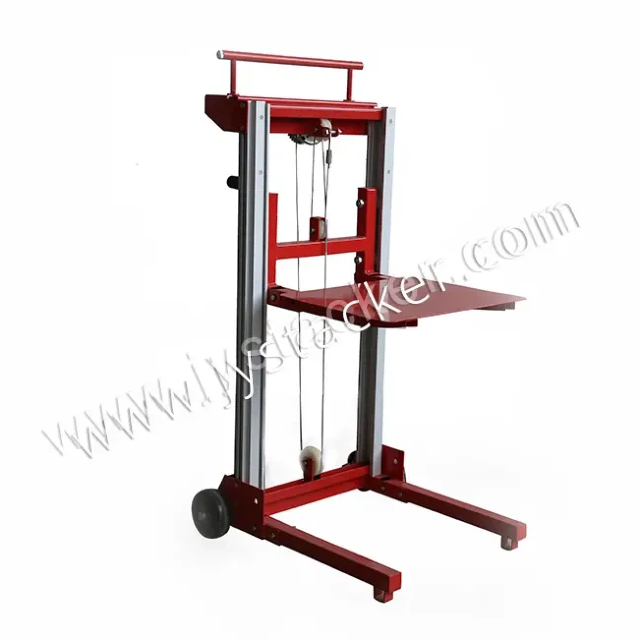
Even experienced operators can make mistakes that can compromise the safety and functionality of the portable aluminum lift. By understanding the most common mistakes, you can avoid accidents and ensure the longevity of the equipment.
One of the most common mistakes when using portable aluminum lifts is point loading, where a load is concentrated on one section of the lift. This creates an uneven distribution of weight, which can lead to equipment failure. Always place loads evenly across the platform to ensure that the lift remains stable during use. Point loading can cause the lift to become unstable and tip over, especially when lifting heavy or awkwardly shaped objects.
Another mistake to avoid is moving the portable aluminum lift while it is carrying a load. This is extremely dangerous and can lead to accidents. Always lower the load to the ground before moving the lift. Moving the lift with a raised load puts unnecessary strain on the lift’s structure and can result in tipping or loss of control. Always follow the correct procedure for handling loads to ensure safe and stable operation.
Mistake | Consequence | Best Practice |
Overloading | Equipment failure | Follow capacity ratings |
Unstable surface | Tip-over | Use level ground |
Ignoring inspections | Part failure | Perform daily checks |
Personal protective equipment (PPE) is a crucial aspect of ensuring the safety of operators working with portable aluminum lifts. Workers should be equipped with the appropriate PPE to minimize the risk of injury.
Operators should always wear appropriate PPE when using portable aluminum lifts. This includes harnesses for fall protection, helmets to protect against falling objects, and non-slip footwear for better traction. Depending on the work environment, additional protective gear such as high-visibility clothing or gloves may be required. Safety should never be compromised, and PPE is an essential part of protecting workers during elevated tasks.
Only trained and qualified personnel should operate portable aluminum lifts. Proper training ensures that operators understand the equipment’s capabilities and limitations, as well as the safety protocols that should be followed during operation. Workers who are unfamiliar with the lift or its operation should receive proper training before being allowed to use the equipment. This training helps minimize the risk of accidents and ensures that the lift is used in the safest and most effective manner.
Safety is not only a priority when using portable aluminum lifts; it is essential for ensuring the equipment’s reliability and longevity. By adhering to safety guidelines, performing regular maintenance checks, and using proper operating techniques, you can maximize the performance of your portable aluminum lift while minimizing risks. JYStacker is committed to providing high-quality, safe, and durable lifting solutions that meet the needs of industries worldwide.
If you are in need of a reliable portable aluminum lift, visit JYStacker today to explore our wide range of products designed to enhance workplace efficiency and safety. Contact us for more information on how we can provide you with the best lifting solutions for your needs.
The weight capacity of a portable aluminum lift varies depending on the model. Always refer to the manufacturer’s guidelines for the exact weight rating of your lift.
It is recommended to perform daily pre-operation inspections, along with scheduled maintenance as per the manufacturer's instructions, to keep the lift in optimal condition.
It is best to use the portable aluminum lift on level ground to maintain stability. If used on uneven surfaces, ensure that the lift is stabilized using additional equipment or leveling mechanisms.
Only trained personnel should operate the portable aluminum lift to ensure safety and proper use of the equipment.